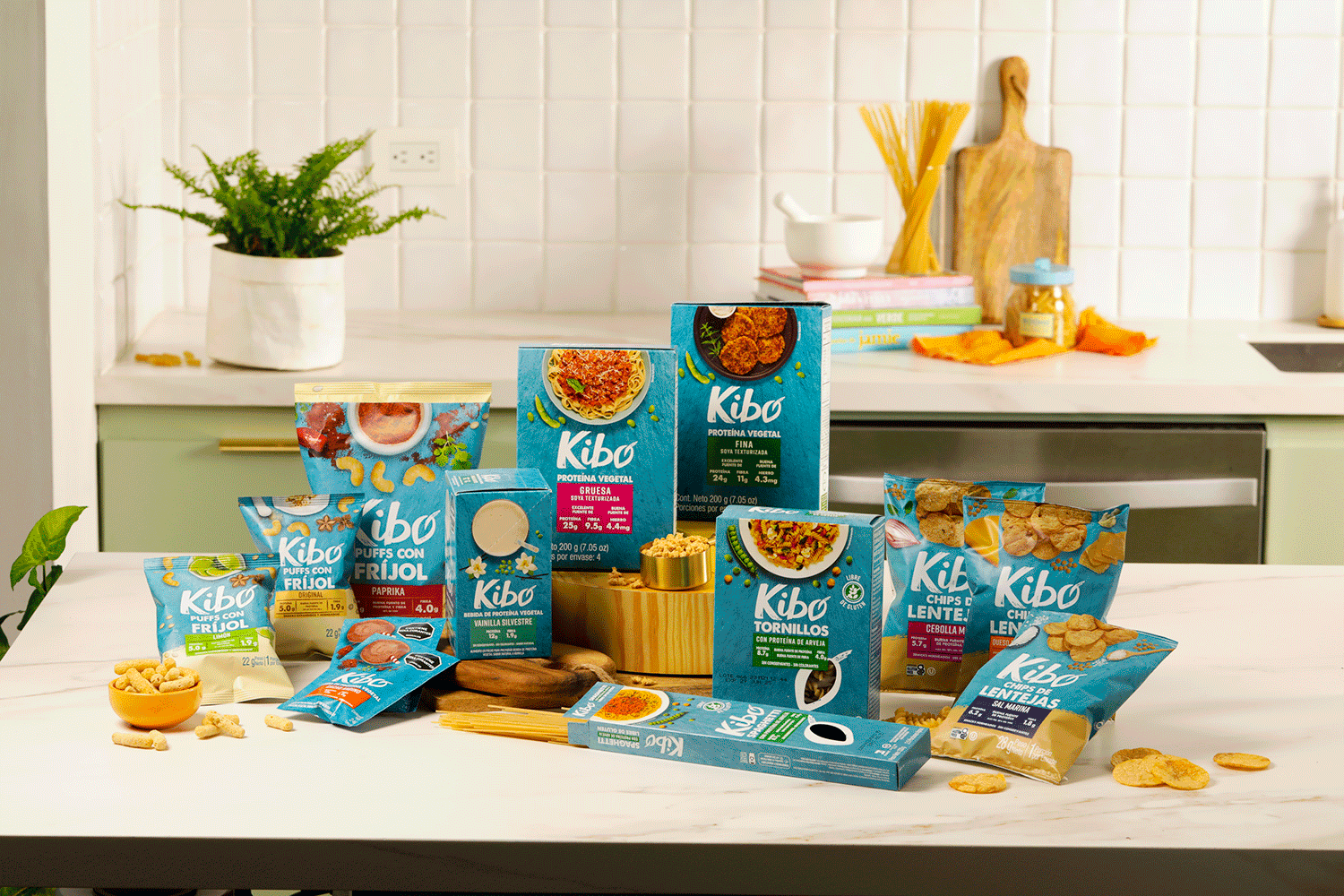
Kibo: Building a Brand from Nothing, and Watching It Fly
Some projects arrive as a brief. Kibo arrived as a question: what should we look like?
Packaging
Packaging System
Branding
Some projects are about creation. This one was about expansion — and knowing exactly when to push a system further and when to protect what was already working.
When I joined Kibo as their primary graphic designer, the brand already existed. There was a logo, a packaging direction, a handful of SKUs on shelves. What there wasn't, yet, was a system built to scale.
The challenge
Kibo had six products when I came on board. The ambition was to grow fast — new flavors, new formats, new markets — across the United States, Central America, and Colombia simultaneously. That kind of growth breaks packaging systems that weren't designed with it in mind. Colors drift between SKUs. Hierarchy gets inconsistent. What looked cohesive at six products starts feeling chaotic at twenty.
My job was to make sure that didn't happen — and to build the infrastructure that would let Kibo grow without losing itself.
The Work
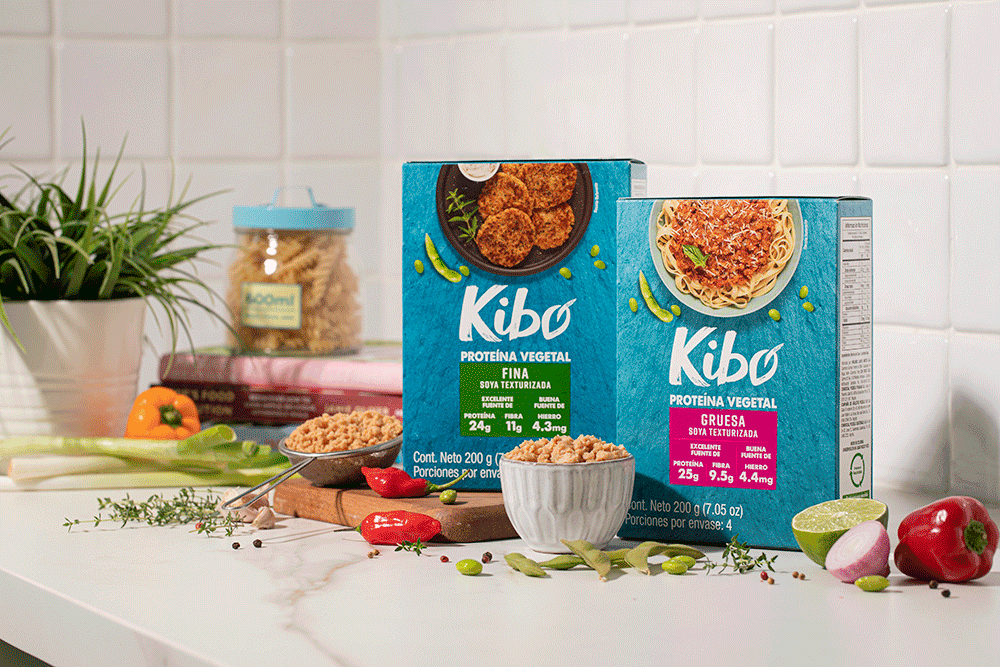
I took ownership of the packaging architecture and expanded it from 6 to over 50 SKUs, keeping the bold, colorful identity intact and consistent across every new product. Each new flavor needed its own visual moment while remaining unmistakably Kibo — that balance between variety and coherence is harder than it sounds.
Alongside the packaging, I formalized what had been informal: I co-developed Kibo's brand book, documenting the rules, the logic, and the decisions behind the system so the brand could grow with consistency beyond any single designer's instincts.
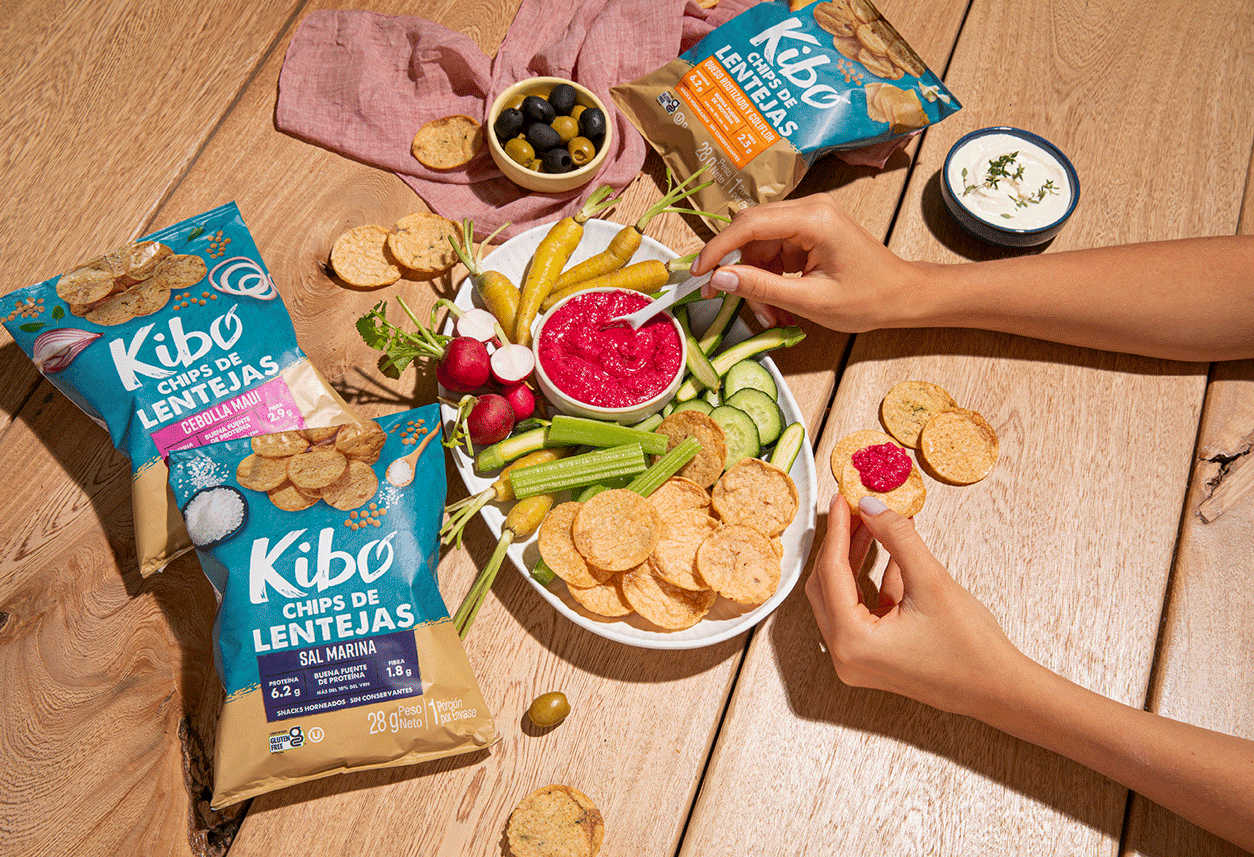
The work extended beyond packaging too — I designed for Instagram, print campaigns, and other brand touchpoints, making sure Kibo showed up with the same energy whether a customer found them on a shelf in Bogotá, a supermarket in Miami, or a social media feed anywhere in between.
The Result
Kibo scaled to over 50 SKUs and grew to $8 million in sales across three markets. The packaging system held — visually consistent, commercially effective, and flexible enough to keep growing.
That's the quiet work behind every successful brand: not just the first idea, but the system that lets it last.